
Corporate Social Responsibility (CSR) has moved from being an optional add-on to becoming a central expectation of modern business operations. Today, companies are judged not only on the quality of their products but also on their environmental and social impact. One of the most practical, visible, and cost-effective CSR initiatives is adopting eco-friendly bags.
Switching from single-use plastic to sustainable bags helps businesses reduce waste, comply with regulations, and strengthen consumer trust. More importantly, it provides companies with a long-term growth strategy that combines responsibility with profitability.
Understanding Corporate Social Responsibility in Today’s Business Landscape
CSR is about integrating ethical, environmental, and social considerations into business practices. Unlike older models that treated Corporate Social Responsibility as philanthropy, today’s Corporate Social Responsibility focuses on making sustainability part of daily operations. Packaging and carrying solutions are among the easiest areas for businesses to show their commitment.
When customers walk away from a store carrying a reusable or biodegradable bag, they carry more than just their purchase—they carry the brand’s values. This makes eco-friendly bags a strong symbol of corporate responsibility.
Why Eco-Friendly Bags Align with CSR Commitments
Eco-friendly bags embody the core values of CSR because they represent long-term sustainability. Companies that adopt them are addressing three major CSR pillars:
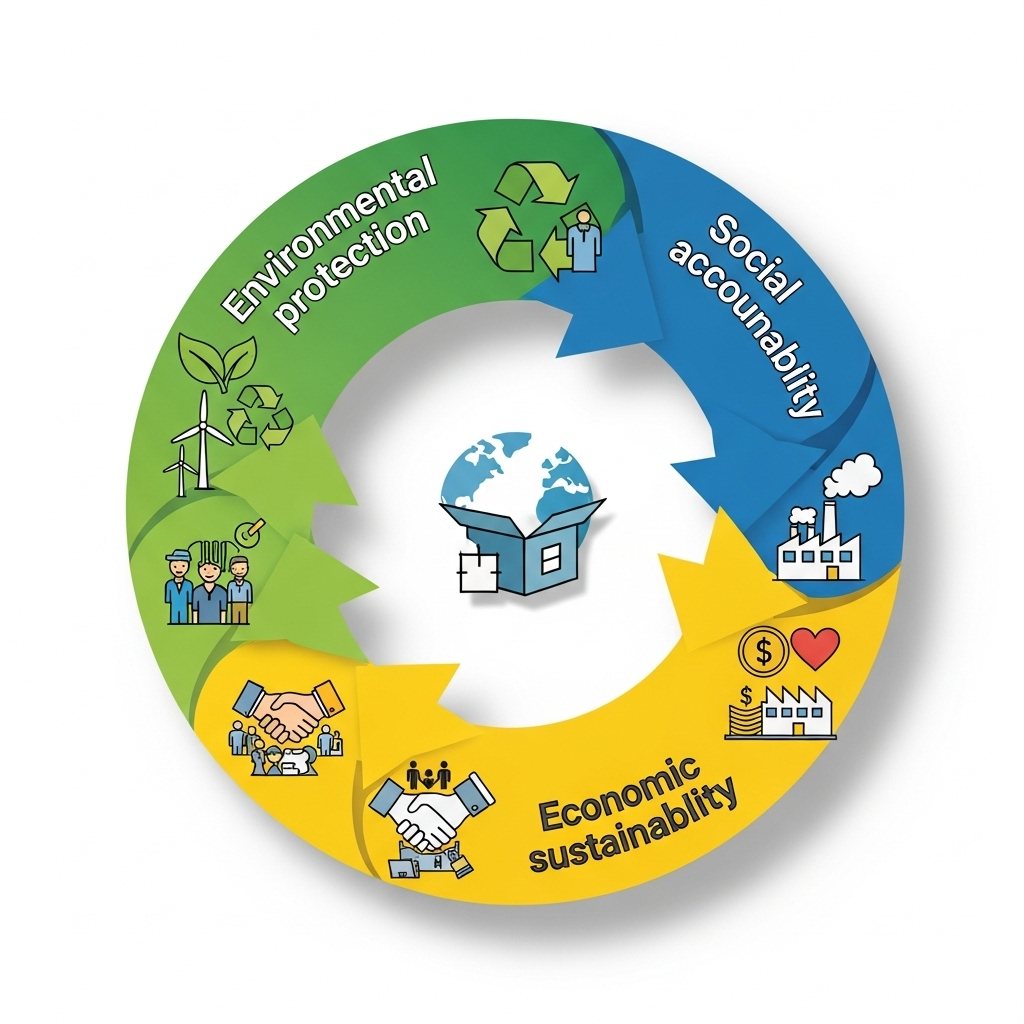
- Environmental protection – lowering dependence on plastics that pollute land and oceans.
- Social accountability – supporting healthier, safer communities through non-toxic alternatives.
- Economic sustainability – creating products that balance business profitability with eco-consciousness.
For many businesses, bags are a daily necessity. Choosing an eco-friendly option shows responsibility without requiring complex operational overhauls.
Building Consumer Trust Through Sustainable Practices
Trust is the foundation of brand loyalty. Research shows that consumers are increasingly skeptical of companies that ignore sustainability. When customers see eco-friendly bags, they feel the business is taking active steps toward global challenges like pollution and climate change.
This builds loyalty, enhances reputation, and can even drive word-of-mouth marketing. Eco-conscious consumers are often vocal online, and businesses that meet their expectations benefit from positive reviews and social shares.
Eco-Friendly Bags as a Branding Opportunity
CSR is not just about responsibility—it is also about visibility. Eco-friendly bags allow businesses to merge branding with sustainability. Reusable bags last longer and are used multiple times, often in public spaces. With custom logos or slogans, they act as “mobile advertisements” while also promoting green practices.
For retailers, restaurants, and service providers, this dual advantage—advertising plus Corporate Social Responsibility—makes eco-friendly bags one of the smartest investments in brand-building.
Cost Efficiency and Long-Term Business Growth
Businesses sometimes hesitate to switch to sustainable bags because of higher upfront costs. However, eco-friendly packaging delivers long-term financial and reputational returns:
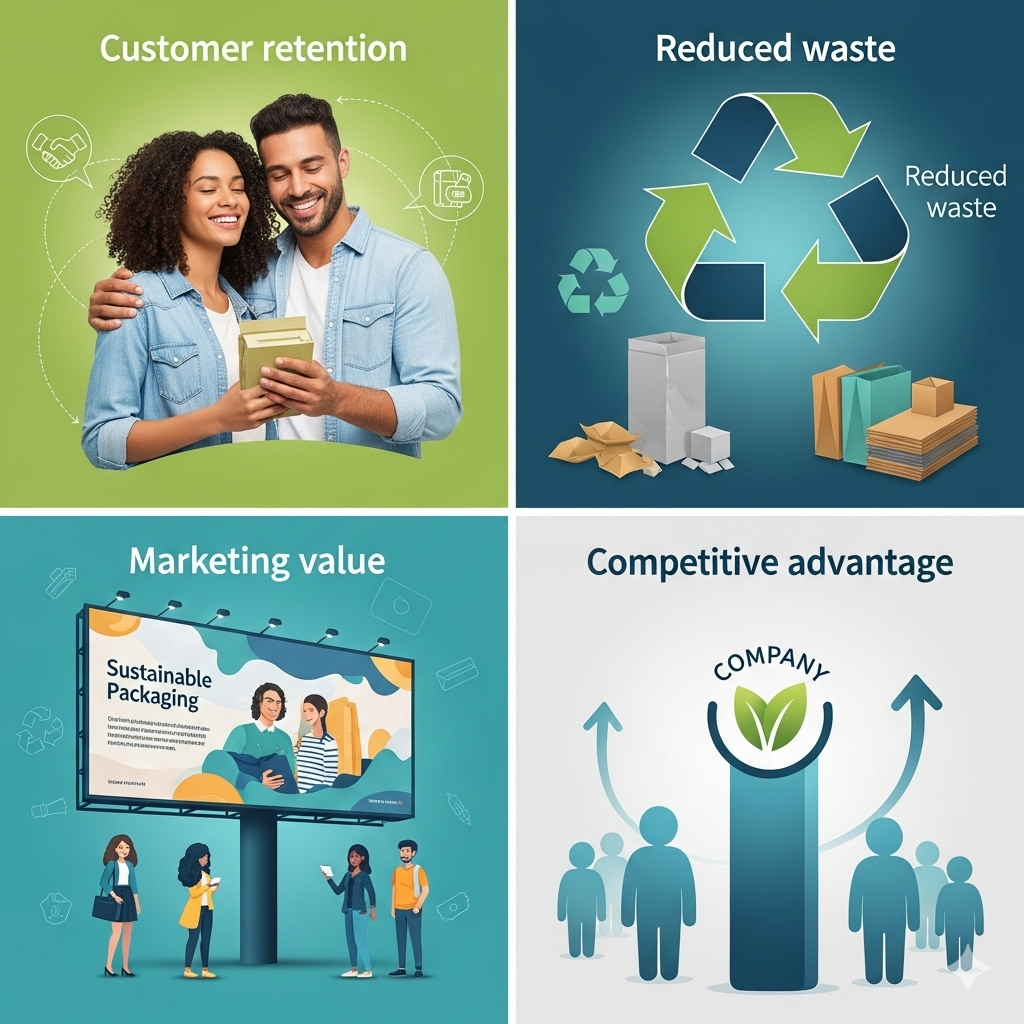
- Customer retention – Shoppers prefer and return to businesses with visible eco-practices.
- Reduced waste management – Less plastic waste means fewer disposal issues.
- Marketing value – Reusable branded bags act as continuous advertising.
- Competitive advantage – Sustainability becomes a key differentiator.
By viewing eco-friendly bags as a cost and a long-term business investment, companies realize that CSR can drive profitability.
Meeting Regulatory Demands with Proactive CSR
Governments worldwide are banning single-use plastics. Businesses that proactively adopt eco-friendly alternatives demonstrate leadership. Instead of waiting for regulations to force change, proactive companies turn Corporate Social Responsibility into a strategic advantage.
This foresight positions them as innovators and reduces the risk of sudden compliance costs. Consumers also notice companies that stay ahead of legal changes, enhancing trust.
Encouraging Community Engagement and Partnerships
Eco-friendly bags open opportunities for community-based CSR programs. Companies can sponsor reusable bag giveaways at local schools, environmental events, or city festivals. These initiatives highlight the brand’s social involvement and demonstrate genuine commitment to the community.
CSR works best when it creates shared value. Businesses gain visibility while communities benefit from sustainable practices. Such partnerships often generate positive media coverage, which multiplies the benefits of eco-friendly initiatives.
Educating Consumers on Sustainability Through Bags
Another overlooked advantage of eco-friendly bags is their educational role. Bags printed with sustainability messages or recycling tips can raise awareness among consumers. By turning packaging into an educational tool, businesses empower their customers to make greener choices.
For example, a grocery chain might distribute bags that say “Reuse me 100+ times” or “Every bag saves 1000 plastics from landfills.” These small messages spark conversations and make Corporate Social Responsibility visible daily.
Case Studies: Businesses Benefiting from Eco-Friendly Bags
- Retail Chains – Many clothing brands have adopted cotton or recycled PET bags, leading to positive consumer feedback and repeat purchases.
- Grocery Stores – Supermarkets offering sturdy reusable bags often build stronger loyalty, as customers associate them with environmental responsibility.
- Restaurants – Food outlets switching to biodegradable takeout bags gain goodwill and often see higher social media mentions.
These examples prove that eco-friendly bags are not just symbolic—they deliver measurable business results.
The Future of CSR and Sustainable Packaging
Corporate Social Responsibility is evolving rapidly, and sustainable packaging will remain central. As innovation grows, businesses may shift from simply reusable bags to advanced biodegradable materials, edible packaging, or closed-loop recycling systems.
Eco-friendly bags will continue to play a role as a visible, practical, and cost-effective CSR tool. Companies that adopt them now will secure an early-mover advantage in building consumer trust and brand resilience.
FAQs on Corporate Social Responsibility and Eco-Friendly Bags
- Why are eco-friendly bags important for CSR?
They reduce plastic waste, showcase a business’s sustainability efforts, and build consumer trust. This makes them a highly visible and effective CSR initiative. - How do eco-friendly bags benefit businesses financially?
They support customer loyalty, reduce waste disposal costs, and serve as free long-term advertising when customized with brand logos. - Do consumers notice eco-friendly packaging choices?
Yes. Surveys show buyers actively choose businesses that use sustainable packaging, making bag choices a strong influencer of purchase decisions. - Can eco-friendly bags improve a company’s image?
Absolutely. They highlight responsibility, act as a symbol of green values, and attract eco-conscious customers who often share positive feedback online. - What materials are used in eco-friendly bags?
They can be made from cotton, jute, hemp, recycled PET, or biodegradable alternatives that last longer and reduce environmental impact. - Are eco-friendly bags suitable for small businesses?
Yes. Even small shops can benefit by offering branded reusable bags, which customers value and reuse repeatedly. - How do eco-friendly bags support community initiatives?
They can be distributed at events, used in school programs, and promoted as part of campaigns, creating strong community engagement. - Will eco-friendly bags become a business standard in the future?
Yes. With stricter regulations and growing consumer awareness, eco-friendly bags will soon replace single-use plastics across industries.
